The Yorkshire Dalesman Magazine (May Issue) - Pubs
Photography by George Hutton
Words by Cameron Hill
Pubs (full article)
Hangover’s come part and parcel of drinking. I know that, I knew that last night, but this one is brutal, waves of pain sweeping through my skull, lights and sounds throbbing in my jaw. It is not an ideal state to be out researching an article, but it is where we are, limping around the ever-charming Hebden Bridge to find out what a modern, Yorkshire pub can be.
Pubs, like me right now, are struggling. Worries about the smoking ban seem very soft-colour pre-2008 next to today’s unholy trinity of rising rents, war-driven energy prices and the tightening belts of the cost of living crisis, all topped off with a younger generation increasingly turning off the booze. You can reel off the statistics: more than 2,000 pubs closed since 2020, an average of 34 a month last year, the lowest number still open on record. It’s a mess of numbers and RED ALERTS that smothers the damage at the core of it - lost work, lonelier people, villages with the hearts torn out of them.
I don’t want to live in a publess world, or one where everything is owned by chains, a rotating cast of bright lights and identikit menus. So other ways of doing business have to be tried.
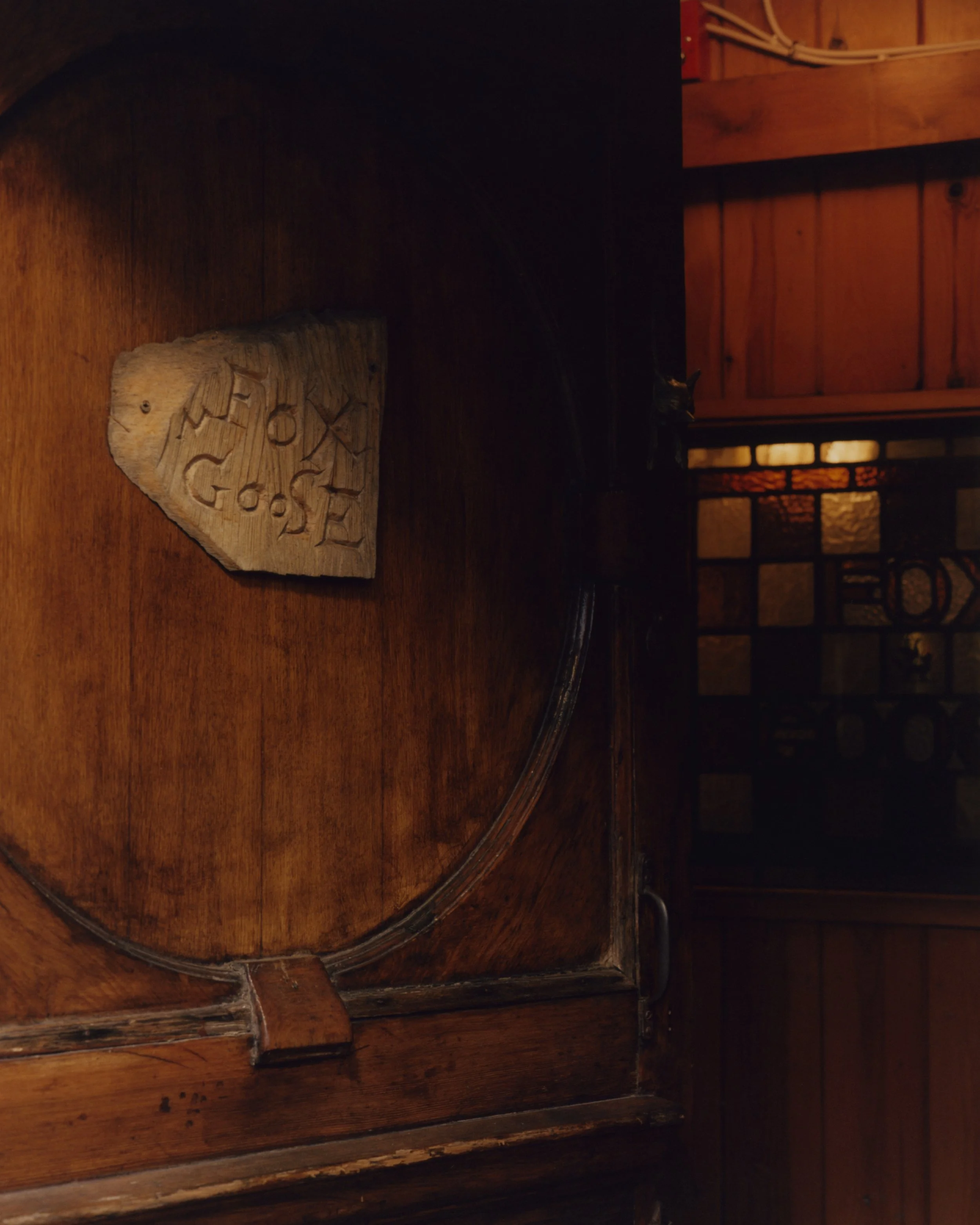
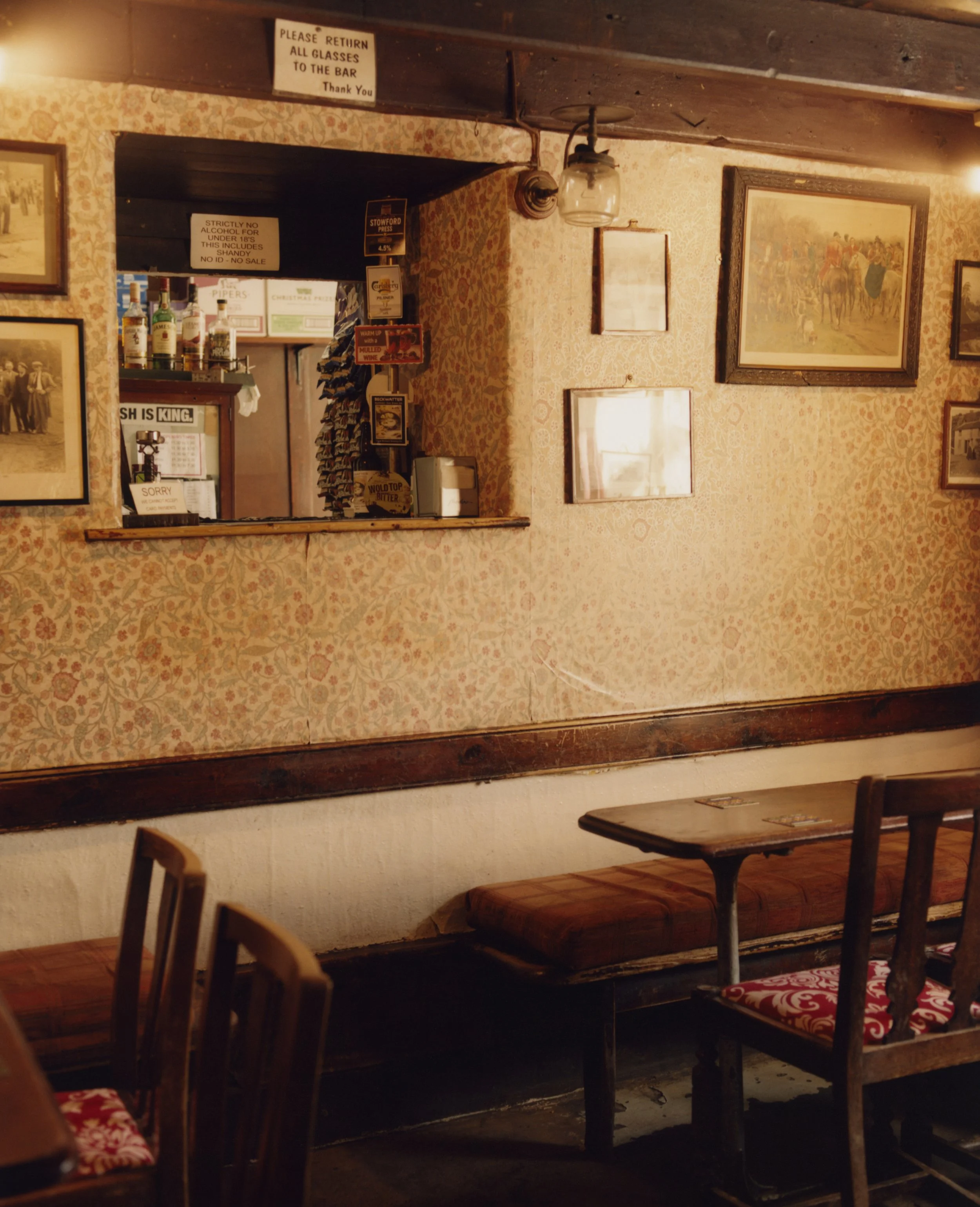
From the outside, the Fox & Goose looks a bit battered. I pace while George sets up his camera and I feel shaky, unfit for public consumption. But walking through that front door has a Lazarus-like effect on me. It’s a feast for a pained mind—candlelit, weathered tables, incredibly affordable hand-pulled pints drawn from the deep well of local breweries. The place is all well-worn, warm comfort - varnished wood and background chitchat and real people having a really nice time.
Those people are at the core of all of this. The Fox & Goose is a cooperative, meaning that it is owned and run by its members, with profits reinvested in the building and the community. It is a model that taps into the rich vein of cooperative heritage that runs through these dales, a ground-up, people-driven ethos that has held sway here since industry first put the area on the map. Today, there are around 300 members, and the place is thriving.
Hannah, the manager, has been here for every step of this journey. She worked here before it became a cooperative and talks eloquently about what the pub is, how it welcomes everybody. She shows me around with that feeling of complete ease that comes with time spent with a place, where sheer coexistence has moulded you and there together. There are depths to the pub you don’t see from the street: fairy-light lit rooms spanning off to the sides, a beer garden with that sweet sweet mix of elevation and greenery, benches looking out over the river valley below. Talking to her gives an idea of what a pub can be - not just somewhere to sell things to people, but a true community space. Groups meet here on mornings pre-opening, there are spaces for local artists to exhibit, it is here to be used. I feel like my local is ‘my’ pub, but here at the Fox & Goose, the pub does belong to these people, the members' emotional attachments backed up with legal and financial ones.
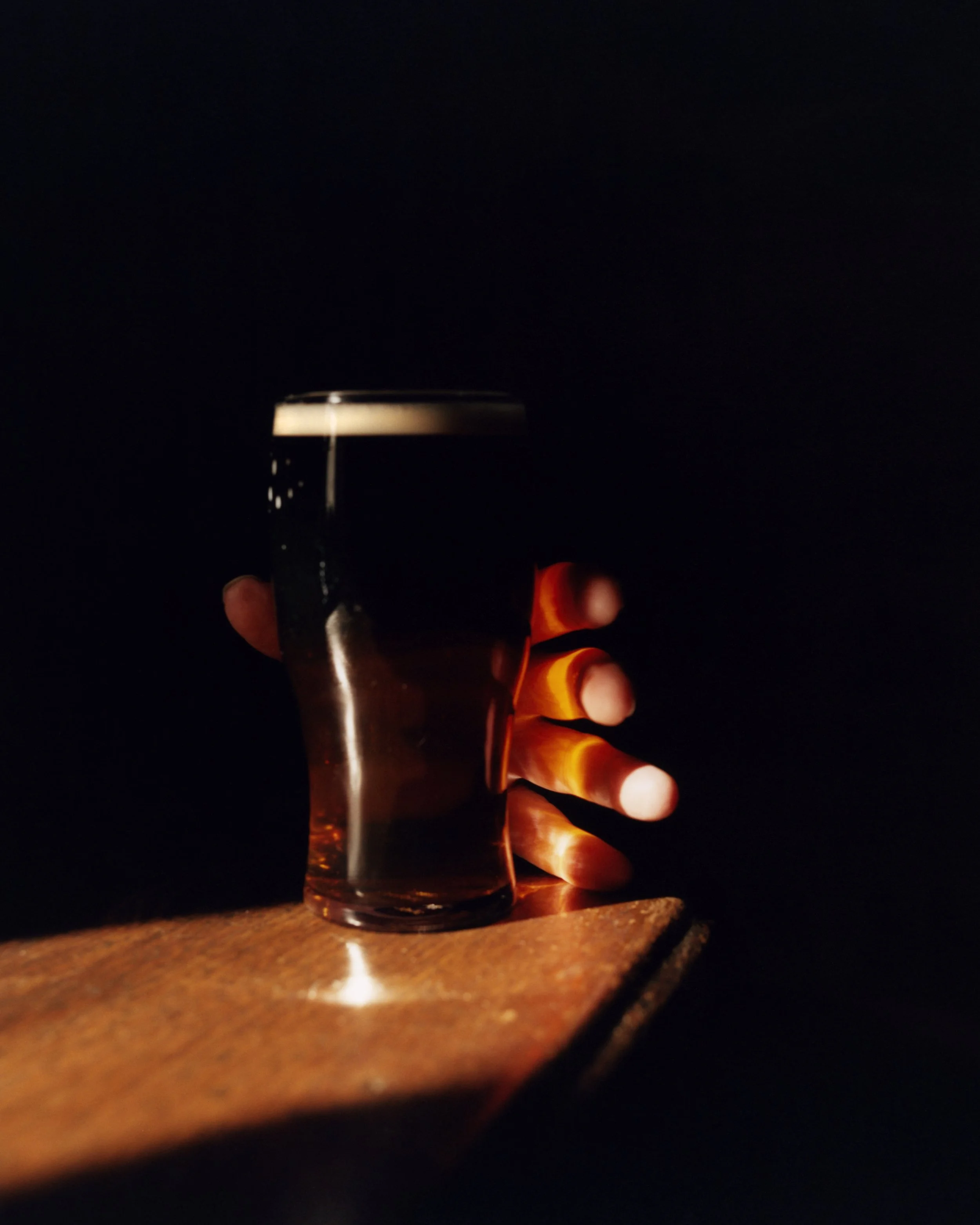
Like every Sunday, there is music tonight. The hangover is back, pain flaring through my eyes with each tuning of the guitar. Tonight, we’re told the music is Gypsy Jazz, a genre I admit I had very little knowledge of before, but turns out to be all crooning lyrics and sweetly tangled guitar. The place has filled up, a rotating cast of regulars warmly greeting each other, a room of colour set against the cold, grey valley outside. It’s a good time. Everything you need to know about this pub can be seen in the pint glasses that are scattered around these tables. They say, boldly, ‘Where a pint means a pint’ and have a demarcating line with space for a good, solid head of foam above it. Not only is a beer cheaper here, you also get more of it. This isn’t just people before profit, but pleasure before profit as well. It feels like how pubs should be, a community-driven model of pub ownership that can roll on sustainably into the future.
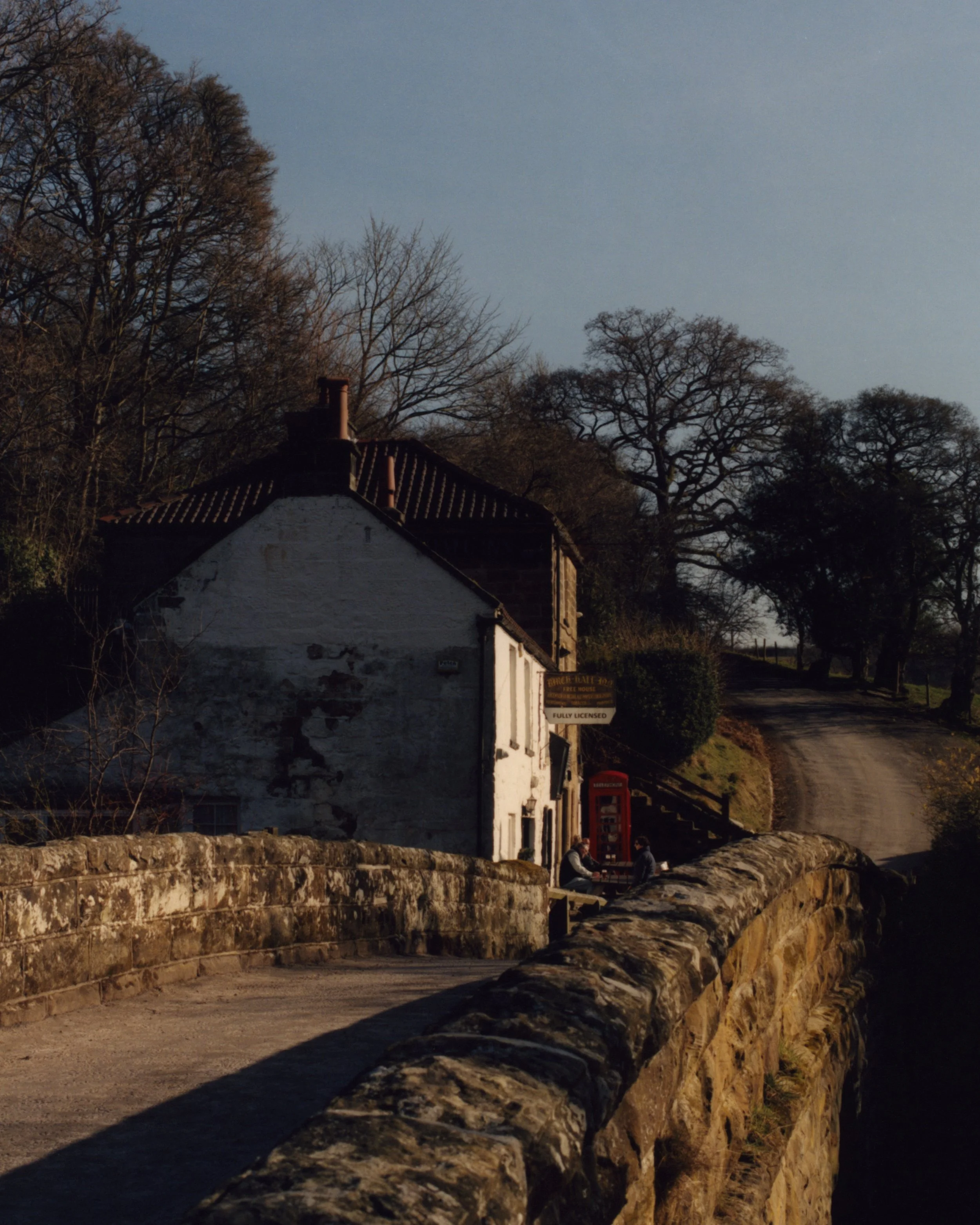
Of course, it is their variety that defines independent pubs. We don’t want them all to look the same, to feel the same. Few are more unique than The Birch Hall Inn at Beck Hole. Internet articles focus on it being the smallest pub in Yorkshire, and it is small, but that doesn’t quite capture its charm. The best pubs feel like they are part of the landscape. This is a picture postcard perfect example of this genre of drinking establishment, as much a part of this valley as the river that flows alongside it.
We visit amid an early March burst of sunshine, and Beck Hole is at its best. It is a tiny hamlet, set just off the moors, surrounded by trees and laced through with the brown-light-run of the Murk Esk. Everything feels soft, green, true. The pub has been here since the mid-1800’s, and has changed very little since. Glenys and her husband Neil are its current custodians. They moved here in the 80’s, looking for an old countryside house somewhere, and finding this one that just so happened to come with a pub/sweetshop/listed building as part of the package. The owner who had it before them had been here for around 50 years. Glenys tells me that she would hate to leave, that she still loves it, the place, the work. It is somewhere you stay, here sheltered from the wind, nestling into the bank of the Murk Esk, with a tree-lined avenue of open sky above you.
Time flows slowly here. Very little has changed since Glenys moved to the area. The village around is still largely residential, somehow escaping the proliferation of holiday cottages that has gutted other areas. Walkers still walk specifically to be here, stopping off for mid-hike pints of the house's own ale, Beckwatter, pork pies and pick’n’mix. The regulars are still regular. My parents would walk me and my brothers here very Christmas Eve, traipsing us along the old railway line to try and tire us out. It is a place of continuity, of well-worn repetition and use. Glenys tells me how she now sees children that used to be brought here by their grandparents, bringing their own children and grandchildren along. Life moves on, and the Birch Hall Inn is there, still small and strange, still serving its longstanding menu of pies, scones, and sweets, the sweet-dark reassurance of the Beckwatter, still flowing, still there for you.
Having a pint here, the smell of fire-smoke and old buildings light around me, losing somewhere like this seems unconscionably tragic. Pubs are a fundamental part of Yorkshire, as key as dry stone walls and mugs of tea. Here, and in the other pieces of this series, I keep turning to the idea of things being well-worn, warm, familiar. That is what great independent pubs like these two are, and maybe what Yorkshire itself is, not something slick and modern, but lived-in, weathered, something that lasts.
The phrase ‘third space’ has gained some popularity over the past years, as community spaces have been gutted or made inaccessibly expensive. It means somewhere other than work or home where people can come together, socialise, relax. At their best, pubs are that and more, spaces of colour, continuity, and community. Islands of recreation in a sea of quiet country living.
These two venues are prime examples of places that exist outside of the corporate uniformity of chains, outside the creeping sterility of self-serve pints and QR code orders. It’s the hard work of people like Hannah and Glenys that keeps these places ticking over, weathering pandemics and financial crises and the relentless grind of hospitality work so that the countryside can keep its character. This is all just a long way of saying that I like pubs. They are a shared heritage, places to be cared for, preserved so that you can enjoy the mid-walk pint, the long, candlelit night, so that hangovers can brew, fade, grow again.